
-

- Find A Provider
-
Services
- Addiction Recovery
- Audiology
- Behavioral Health
- Cardiac Rehabilitation
- Cardiology
- Chiropractic Care
- Colon Cancer Screening
- Dermatology Services
- Diabetes Education
- ER & Urgent Care
- Family Medicine
- Home Care
- Hospice
- Infusion Therapy
- Internal Medicine
- Laboratory
- Long Term Care Facility
- Men's Health
- Nutrition Services
- Orthopedics
- Pain Management
- Podiatry
- Radiology/Diagnostic Imaging
- Rehabilitation Services
- Respiratory Care
- Senior Care Unit
- Sleep Medicine
- Surgery
- Swing Bed/Transitional Care
- Women's Health
- Patients & Visitors
- Facilities & Pharmacy
- About Us
-

Cold Weather and Blood Pressure: What to Know
January 26, 2026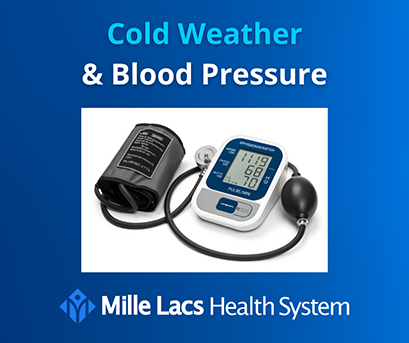
Winter brings colder temperatures, shorter days, and changes to daily routines, all of which can influence overall health. Blood pressure is no exception. According to research published in the Journal of the American Heart Association, blood pressure readings often run higher during the winter months, even among people whose blood pressure is usually stable.
Cold weather can cause blood vessels to narrow, which makes it harder for blood to flow and can lead to higher readings. At the same time, people tend to be less physically active during winter, spend more time indoors, and rely more on convenience or comfort foods that are higher in sodium. Holiday routines can linger into January, and changes in sleep, stress, and weight may also contribute to seasonal shifts in blood pressure.
For many people, these changes are subtle and may go unnoticed without regular monitoring. That is why winter can be a helpful time to pay closer attention to blood pressure trends rather than focusing on a single reading. Home monitoring, when done correctly, can provide valuable insight into how numbers are changing over time. Measuring blood pressure at the same time each day, sitting quietly for a few minutes beforehand, and recording readings consistently can help create a clearer picture to share with a health care provider.
Lifestyle habits continue to play an important role during colder months. Staying physically active does not require a gym or long workouts. Short walks, stretching, or light movement throughout the day can support circulation and overall cardiovascular health. Being mindful of sodium intake, drinking enough fluids, and maintaining regular sleep patterns can also help support healthy blood pressure levels during winter.
Winter weather can make it easier to postpone routine care, but this season is often a good opportunity to check in on preventive health needs. Reviewing blood pressure trends, medications, and other risk factors during a visit allows providers to identify patterns early and discuss next steps if needed. Primary care visits at Mille Lacs Health System also provide an opportunity to talk through winter-related changes. Appointments can be scheduled by calling 320-532-3154.
While winter-related increases in blood pressure are common, they are also manageable. Awareness, small adjustments to daily habits, and regular follow-up can make a meaningful difference. Paying attention to blood pressure during the colder months helps support heart health not just in winter, but throughout the year.