
-

- Find A Provider
-
Services
- Addiction Recovery
- Audiology
- Behavioral Health
- Cardiac Rehabilitation
- Cardiology
- Chiropractic Care
- Colon Cancer Screening
- Dermatology Services
- Diabetes Education
- ER & Urgent Care
- Family Medicine
- Home Care
- Hospice
- Infusion Therapy
- Internal Medicine
- Laboratory
- Long Term Care Facility
- Men's Health
- Nutrition Services
- Orthopedics
- Pain Management
- Podiatry
- Radiology/Diagnostic Imaging
- Rehabilitation Services
- Respiratory Care
- Senior Care Unit
- Sleep Medicine
- Surgery
- Swing Bed/Transitional Care
- Urology
- Women's Health
- Patients & Visitors
- Facilities & Pharmacy
- About Us
-

Screening Helps Prevent Colorectal Cancer
March 16, 2026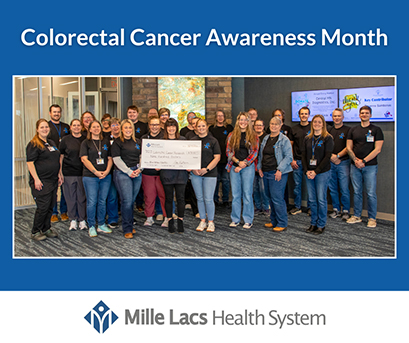
March is Colorectal Cancer Awareness Month, a time to highlight the importance of screening for one of the most common cancers affecting both men and women. While colorectal cancer has historically been associated with older adults, it is being diagnosed more often in younger populations. In fact, colorectal cancer is now the leading cause of cancer-related death among adults younger than 50.
Colorectal cancer develops in the colon or rectum and often begins as small growths called polyps. These polyps typically do not cause symptoms at first, which means many people may not realize a problem is developing. Screening plays an important role in identifying these growths early.
A colonoscopy is considered one of the most effective screening tools for colorectal cancer. During a colonoscopy, a provider uses a flexible camera to examine the colon and rectum. If precancerous polyps are found, they can often be removed during the same procedure, preventing them from developing into cancer.
Because of this preventive benefit, screening is recommended even for individuals who feel healthy. The American Cancer Society advises that people at average risk begin colorectal cancer screening at age 45. Individuals with a family history of colorectal cancer or other risk factors may be advised to begin screening earlier based on their provider’s recommendation.
Colorectal cancer often develops slowly, and early stages may not cause noticeable symptoms. However, warning signs can include persistent changes in bowel habits, blood in the stool, unexplained weight loss, abdominal discomfort, or ongoing fatigue. Any concerning symptoms should be discussed with a healthcare provider.
While some risk factors such as age or genetics cannot be changed, others are linked to lifestyle choices. Diet, physical activity, tobacco use, and alcohol consumption can all influence colorectal cancer risk. Maintaining a balanced diet, staying active, and avoiding tobacco can support overall digestive health.
To help raise awareness during Colorectal Cancer Awareness Month, employees across Mille Lacs Health System are wearing blue ribbon t-shirts each Friday throughout the month of March. The blue ribbon is a nationally recognized symbol of colorectal cancer awareness. Proceeds from the shirts support colorectal cancer research, with $900 raised this year. The effort also helps encourage conversations about the importance of screening and early detection.
Colorectal Cancer Awareness Month serves as a reminder for individuals to talk with their primary care provider about when screening should begin and which option may be most appropriate. Routine screening plays an important role in protecting long-term health and identifying potential concerns early.