
-

- Find A Provider
-
Services
- Addiction Recovery
- Audiology
- Behavioral Health
- Cardiac Rehabilitation
- Cardiology
- Chiropractic Care
- Colon Cancer Screening
- Dermatology Services
- Diabetes Education
- ER & Urgent Care
- Family Medicine
- Home Care
- Hospice
- Infusion Therapy
- Internal Medicine
- Laboratory
- Long Term Care Facility
- Men's Health
- Nutrition Services
- Orthopedics
- Pain Management
- Podiatry
- Radiology/Diagnostic Imaging
- Rehabilitation Services
- Respiratory Care
- Senior Care Unit
- Sleep Medicine
- Surgery
- Swing Bed/Transitional Care
- Urology
- Women's Health
- Patients & Visitors
- Facilities & Pharmacy
- About Us
-

Protecting Bone Health as We Age
May 14, 2026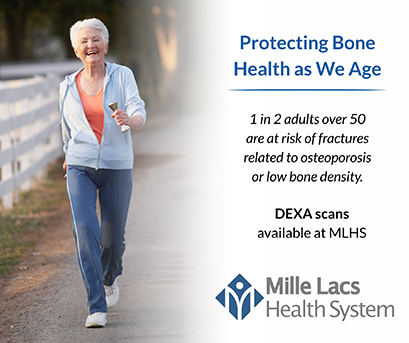
May is Osteoporosis Awareness and Prevention Month, highlighting the importance of bone health and reducing the risk of fractures as we age. Osteoporosis is a condition that causes bones to become weaker and more fragile over time, increasing the risk of breaks from falls or even minor injuries. According to the Bone Health and Osteoporosis Foundation, half of all adults age 50 and older are at risk of breaking a bone due to osteoporosis or low bone density.
Osteoporosis is often called a “silent disease” because bone loss can occur gradually without noticeable symptoms. Many individuals do not realize they have osteoporosis until a fracture occurs. The most common fractures related to osteoporosis affect the hip, spine, and wrist. Because bone density naturally changes with age, monitoring bone health becomes increasingly important over time.
Women are more commonly affected by osteoporosis, particularly after menopause. The decrease in estrogen that occurs during menopause can accelerate bone loss and weaken bone density. Men can also develop osteoporosis as they age, and certain medical conditions or family history may increase risk as well.
One important tool used to evaluate bone health is a DEXA scan, a specialized imaging exam that measures bone density. DEXA scans can help identify whether bone density is within a healthy range or whether signs of osteopenia or osteoporosis are present. Osteopenia refers to bone density that is lower than normal but not severe enough to be considered osteoporosis. In addition to measuring bone density, DEXA scans can help estimate an individual’s future fracture risk.
DEXA scans are often recommended based on factors such as age, menopause, fracture history, or other risk factors. Identifying bone loss early can help individuals and providers take steps to maintain bone health and reduce the likelihood of fractures over time. Depending on results, providers may recommend lifestyle changes, medications, or ongoing monitoring. DEXA scans are available at Mille Lacs Health System in Onamia.
Prevention also plays an important role in maintaining strong bones throughout life. Weight-bearing activities such as walking and running can help support bone strength, along with healthy nutrition and regular medical care. Since peak bone density is typically reached around age 30, maintaining bone health over time becomes an important part of overall wellness.
Bone health is an important part of overall wellness and should not be overlooked as we age. Talking with your healthcare provider about osteoporosis risk factors, prevention strategies, and whether bone density screening may be appropriate can help support long-term health and independence.