
-

- Find A Provider
-
Services
- Addiction Recovery
- Audiology
- Behavioral Health
- Cardiac Rehabilitation
- Cardiology
- Chiropractic Care
- Colon Cancer Screening
- Dermatology Services
- Diabetes Education
- ER & Urgent Care
- Family Medicine
- Home Care
- Hospice
- Infusion Therapy
- Internal Medicine
- Laboratory
- Long Term Care Facility
- Men's Health
- Nutrition Services
- Orthopedics
- Pain Management
- Podiatry
- Radiology/Diagnostic Imaging
- Rehabilitation Services
- Respiratory Care
- Senior Care Unit
- Sleep Medicine
- Surgery
- Swing Bed/Transitional Care
- Urology
- Women's Health
- Patients & Visitors
- Facilities & Pharmacy
- About Us
-

The Importance of Staying Hydrated
July 2, 2026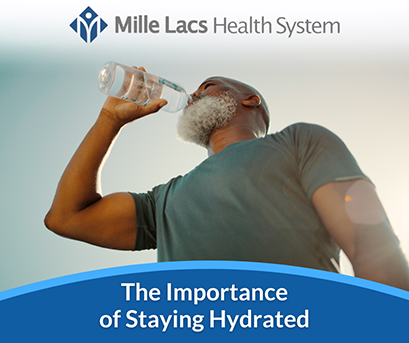
Summer often means more time spent outdoors, whether fishing, boating, gardening, attending community events, or enjoying other recreational activities. As temperatures rise, staying hydrated becomes especially important for maintaining health and preventing dehydration. According to the National Library of Medicine, water makes up approximately 60% of the adult human body, highlighting the important role hydration plays in overall health.
Proper hydration helps the body regulate temperature, support physical activity, and maintain normal bodily functions. It also supports circulation, digestion, and overall energy levels. During hot weather, the body loses fluids through sweating, making it important to replace those fluids throughout the day. When fluid losses are not replaced, dehydration can occur and may increase the risk of heat-related illness.
Common signs of dehydration include thirst, dry mouth, headache, fatigue, dizziness, and dark-colored urine. Dehydration can develop gradually and may affect individuals of all ages. Older adults, young children, individuals working outdoors, and those participating in outdoor activities may be at increased risk, particularly during periods of prolonged heat.
Fortunately, dehydration can often be prevented through simple daily habits. Drinking water regularly throughout the day, carrying a water bottle during outdoor activities, and increasing fluid intake during periods of prolonged heat can all help maintain proper hydration. Taking breaks in the shade or air conditioning and avoiding waiting until thirst develops are also important ways to stay healthy during hot weather. During periods of extreme heat, additional fluids may be needed to replace those lost through perspiration. Eating water-rich foods such as fruits and vegetables can also contribute to hydration, while beverages containing alcohol or excessive caffeine may increase the risk of dehydration for some individuals.
While mild dehydration can often be improved by drinking fluids and cooling down, more severe symptoms may require medical attention. Individuals experiencing confusion, fainting, persistent dizziness, or other concerning symptoms should seek prompt medical care.
Staying hydrated is one of the simplest ways to support overall health during the summer months. Paying attention to fluid intake and recognizing the early signs of dehydration can help individuals enjoy summer activities safely while reducing the risk of heat-related illness. Individuals experiencing symptoms that do not improve or become severe should seek appropriate medical care.