
-

- Find A Provider
-
Services
- Addiction Recovery
- Audiology
- Behavioral Health
- Cardiac Rehabilitation
- Cardiology
- Chiropractic Care
- Colon Cancer Screening
- Dermatology Services
- Diabetes Education
- ER & Urgent Care
- Family Medicine
- Home Care
- Hospice
- Infusion Therapy
- Internal Medicine
- Laboratory
- Long Term Care Facility
- Men's Health
- Nutrition Services
- Orthopedics
- Pain Management
- Podiatry
- Radiology/Diagnostic Imaging
- Rehabilitation Services
- Respiratory Care
- Senior Care Unit
- Sleep Medicine
- Surgery
- Swing Bed/Transitional Care
- Urology
- Women's Health
- Patients & Visitors
- Facilities & Pharmacy
- About Us
-

Why Knowing Your Cholesterol Numbers Matters
August 5, 2026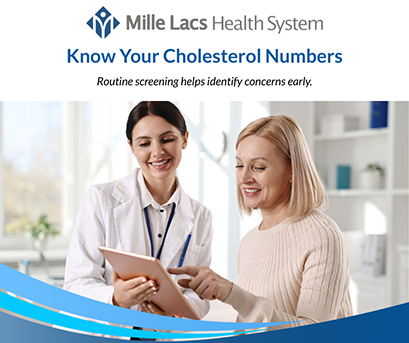
Nearly 2 in 5 adults in the United States have high cholesterol, according to the Centers for Disease Control and Prevention. Because high cholesterol often develops without noticeable symptoms, many people don't realize they have it until it's detected through routine screening. Left untreated, high cholesterol can increase the risk of heart disease and stroke, making regular cholesterol screening an important part of preventive care.
Cholesterol is a waxy, fat-like substance that the body needs to build cells and produce certain hormones and vitamins. However, having too much low-density lipoprotein (LDL), often called "bad" cholesterol, can lead to plaque buildup inside the arteries. Over time, this buildup can reduce blood flow and increase the risk of serious cardiovascular events such as heart attack and stroke. High-density lipoprotein (HDL), or "good" cholesterol, helps remove excess cholesterol from the bloodstream.
According to Cassandra Talberg, FNP, Family Medicine provider at Mille Lacs Health System, genetics are an important factor in cholesterol levels.
"Even with a healthy lifestyle such as conscious eating and regular physical activity, genetics play a significant role in cholesterol levels and overall cardiovascular health," Talberg said.
Genetics can influence how the body produces and processes cholesterol, meaning even people who eat well and stay active may have elevated cholesterol levels. Routine screening can help identify concerns early and allow patients to take steps to reduce their risk of future heart disease and stroke.
While genetics cannot be changed, there are still many steps people can take to support healthy cholesterol levels and reduce their overall risk. In addition to routine screening, healthy lifestyle habits remain one of the best ways to support heart health. Talberg recommends eating a balanced diet rich in fruits, vegetables, whole grains, and omega-3 fatty acids found in foods such as fatty fish, flaxseeds, and walnuts. Limiting saturated fats, refined carbohydrates, added sugars, and excessive alcohol consumption can also help improve cholesterol levels.
Regular physical activity is equally important. Talberg advises getting at least 30 minutes of aerobic exercise, such as brisk walking or cycling, on most days of the week to help improve cholesterol levels and overall cardiovascular health. For some individuals, medication may also be recommended based on their cholesterol levels and other risk factors.
"Routine screening and lifestyle modifications can significantly reduce the risk of cardiovascular events such as stroke and heart attack," Talberg said.
Talk with your primary care provider about when cholesterol screening is right for you. For individuals interested in learning their cholesterol levels, Mille Lacs Health System offers a $10 cholesterol test through its Direct Access Testing program without a provider order. Appointments can be scheduled by calling 320-532-3154 and selecting option 1. Patients are encouraged to discuss their results with their primary care provider after receiving their results.