
-

- Find A Provider
-
Services
- Addiction Recovery
- Audiology
- Behavioral Health
- Cardiac Rehabilitation
- Cardiology
- Chiropractic Care
- Colon Cancer Screening
- Dermatology Services
- Diabetes Education
- ER & Urgent Care
- Eye Care
- Family Medicine
- Home Care
- Hospice
- Infusion Therapy
- Internal Medicine
- Laboratory
- Long Term Care Facility
- Men's Health
- Nutrition Services
- Orthopedics
- Pain Management
- Pharmacy
- Podiatry
- Radiology/Diagnostic Imaging
- Rehabilitation Services
- Respiratory Care
- Senior Care Unit
- Sleep Medicine
- Surgery
- Swing Bed/Transitional Care
- Urology
- Women's Health
- Patients & Visitors
- Facilities & Pharmacy
- About Us
-

Caregiving: A Shared Effort
November 12, 2026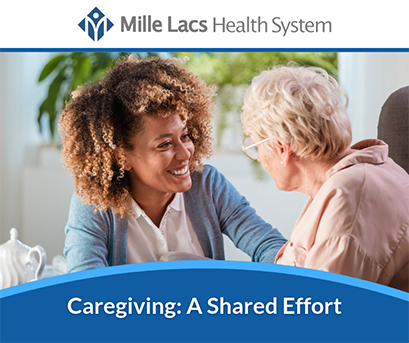
Behind many individuals managing an illness, disability, or the challenges of aging is someone helping them navigate everyday life. It might be a spouse managing medications and appointments, an adult child checking in on an aging parent, or a family member helping a loved one recover after surgery.
November is National Family Caregivers Month, a time to recognize the important role these individuals play in supporting the health, independence, and well-being of their loved ones.
Family caregivers are often an essential part of a patient's healthcare team. They help coordinate appointments, recognize changes in health, communicate concerns, and provide encouragement throughout treatment and recovery. While caregiving can be rewarding, balancing these responsibilities with work, family, and other commitments isn't always easy. Fortunately, there are ways to make caregiving more manageable.
One of the most helpful things caregivers can do is stay organized and informed. Keeping an updated list of medications, healthcare providers, medical conditions, and emergency contacts can make appointments and unexpected medical situations easier to navigate. Writing down questions before appointments and tracking changes in symptoms or daily activities can also help healthcare providers better understand a loved one's needs.
Knowing what resources are available is another important part of caregiving. Mille Lacs Health System offers several services that can help patients and their families. MLHS pharmacies offer Medication Therapy Management to help patients better understand their medications, Sync My Meds to coordinate refills, and prescription mail delivery for added convenience. Diabetes and Parkinson's support groups provide opportunities to connect with others facing similar challenges, while Home Care & Hospice services and Swing Bed/Transitional Care can provide additional support when healthcare needs change.
But supporting a caregiver doesn't always require medical knowledge or special training. Family members, friends, and neighbors can all play a role in making everyday responsibilities a little easier. Rather than simply saying, "Let me know if you need anything," consider offering something specific. Picking up groceries or prescriptions, preparing a meal, helping with household chores, or providing transportation to an appointment can make a real difference. Even family members who live farther away can help coordinate schedules, manage paperwork, or make phone calls.
Sometimes support is as simple as staying connected. Continue inviting caregivers to gatherings, check in regularly, and remember to ask how they're doing, not just how their loved one is doing.
It's also important for caregivers to recognize their own needs. When much of their time and attention is focused on someone else, personal health and well-being can easily take a back seat. Persistent fatigue, changes in sleep, or feeling overwhelmed may be signs that additional support is needed. Maintaining personal health appointments, staying connected with friends, and making time for rest and enjoyable activities can help caregivers care for themselves while continuing to support others.
This November, take a moment to recognize the caregivers in your life. Whether you're providing daily assistance to a loved one or offering a helping hand to someone who does, your efforts matter. Sometimes a small gesture of kindness, a thoughtful conversation, or a little extra support can make the biggest difference.